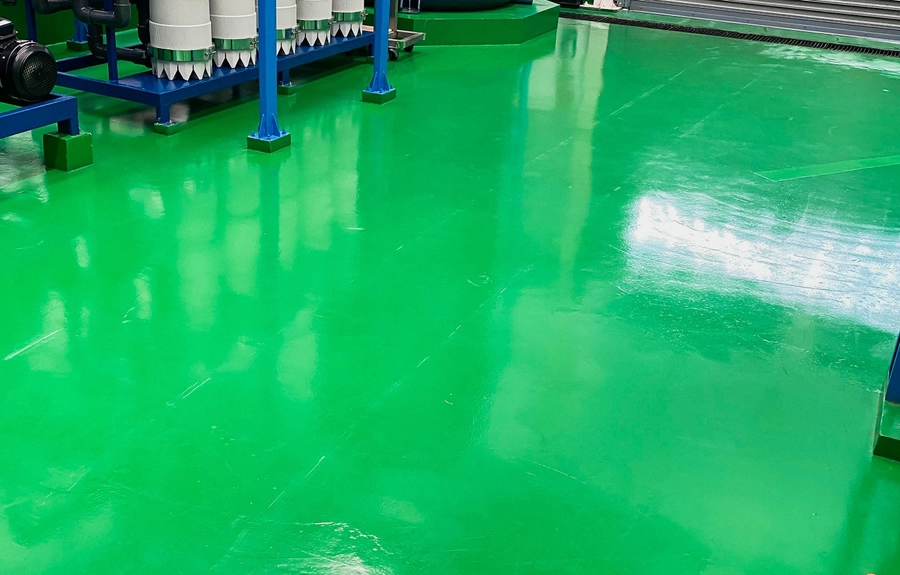
Epoxy Coatings In Chicago, IL
When metal components face moisture, chemicals, abrasion, or repeated handling, the right finish can be a practical part of protecting their performance. ISP Coatings Corporation provides epoxy coatings in Chicago, IL, for customers seeking a durable, bonded protective layer on metal substrates. The company is located in Romeo, MI, and works with customers who need an industrial coating solution that fits the part, its operating environment, and its intended use.
Epoxy is not simply a cosmetic paint. It is a thermosetting polymer coating that chemically bonds to a properly prepared surface and cures into a resilient finish. For Chicago-area manufacturers, fabricators, and product teams, that distinction matters when the component must stand up to corrosion exposure, wear, cleaning, or demanding service conditions.
ISP Coatings Corporation brings close to five decades of experience in the coatings industry to each project. A productive conversation begins with the part material, current surface condition, dimensions, intended environment, and the specific problem the coating needs to address.
What an epoxy finish can protect against
Epoxy coatings are widely selected because they create a durable barrier between a metal part and the conditions that can degrade it. Once cured, an epoxy finish can help protect suitable components from corrosion, chemical contact, water exposure, abrasion, stains, and temperature-related stress. The appropriate coating choice still depends on the part’s use, preparation needs, and performance priorities.
- Corrosion resistance: A continuous protective film can help isolate metal from moisture and corrosive exposure.
- Wear resistance: A tough cured surface can be useful for parts exposed to friction, contact, or routine handling.
- Maintenance advantages: A stain-resistant finish can simplify cleaning and reduce the need to repeatedly address surface marks.
- Versatile substrate compatibility: Epoxy may be applied to bare metal, e-coat, zinc, phosphate, and other appropriate material conditions.
A protective coating is most valuable when it addresses an identified failure risk rather than being chosen only by appearance. For example, a component that sees washdown, lubricants, salt, or regular contact may need a different performance balance than a part primarily intended for dry indoor use. Discussing those conditions before finishing helps establish realistic expectations for adhesion, coverage, and service life.
Durability starts with the substrate and preparation
The coating system is only as dependable as the surface it adheres to. Oil, oxidation, residue, inconsistent conversion layers, and surface defects can affect bonding, so the substrate condition should be part of the initial review. Providing clear information about the base metal and any existing finish helps determine whether epoxy is an appropriate option.
Customers should also identify areas that must remain uncoated, including threads, precision mating surfaces, grounding points, or tight-tolerance locations. Masking requirements, part geometry, edges, recesses, and handling points all influence how a coating project is planned. Bringing these details forward early reduces avoidable surprises after parts are ready for finishing.
A practical process for coating metal parts
Industrial epoxy finishing is a sequence of decisions and controlled steps, not a one-size-fits-all application. ISP Coatings Corporation can evaluate the part and its requirements so the finish supports the intended application. While every project has its own variables, customers can generally expect the following workflow.
- Share part details, material type, quantity, drawings where available, and the operating conditions the finish must withstand.
- Review surface condition, coverage needs, masking areas, and any concerns about corrosion, chemicals, water, or abrasion.
- Confirm the coating approach and prepare the substrate so the coating has an appropriate surface for adhesion.
- Apply and cure the epoxy system, then inspect the finished parts according to the project requirements.
- Coordinate the next steps for completed components and future finishing needs.
Turnaround time can affect production planning, especially when parts are needed for an assembly schedule or a customer delivery. ISP Coatings Corporation states typical turnaround times of 7 to 10 business days, with some projects completed more quickly depending on individual needs, workload, and other factors. It is sensible to discuss timing, quantities, and deadlines when requesting a quote rather than assuming every part will follow the same schedule.
Epoxy, floor systems, and other finish choices
People sometimes use “epoxy” as though it describes one identical product for every surface. In industrial finishing, the critical question is whether the coating system fits the substrate, environmental exposure, and functional demands of a manufactured component. Epoxy can offer strong protection, but another coating material may be worth considering when flexibility, specialized texture, or another property is the primary need.
Epoxy Coatings are particularly relevant when a customer needs a durable finish on metal components rather than a general-purpose decorative layer. The chemically bonded surface can provide dependable protection in challenging conditions when the part has been evaluated and prepared appropriately. Share what the component touches, how often it is cleaned, and whether it will be used indoors, outdoors, or near moisture so the discussion stays focused on performance.
Although the terms are related, epoxy flooring is designed around concrete floors, foot or vehicle traffic, and large continuous surfaces, while industrial part finishing focuses on metal substrates and component geometry. A floor coating project may emphasize slab preparation and traction, whereas a coated part may require attention to holes, edges, threads, and dimensional interfaces. Customers seeking protection for fabricated or manufactured metal should describe the actual part application rather than assume a floor-system specification will transfer directly.
An epoxy concrete coating similarly addresses the needs of concrete surfaces, including porosity, moisture considerations, and floor-use exposure. That is different from coating a metal bracket, housing, frame, or production component, where surface contamination and adhesion to the metal are central concerns. Clarifying the substrate at the outset helps ensure the coating conversation begins with the correct system and preparation approach.
Applications that benefit from a protective epoxy layer
Many industries use epoxy-finished parts because the coating can combine durability, chemical resistance, and maintenance-friendly performance. The value is not confined to one product category. It comes from matching a protective finish to the conditions a specific part will encounter.
Equipment, vehicles, and production components
In agriculture, metal equipment and related components may encounter moisture, soil, fertilizers, chemicals, and regular outdoor use. A properly selected epoxy finish can help support corrosion protection and easier cleanup on suitable parts. The actual environment, including chemical contact and abrasion levels, should guide the coating discussion.
For automotive components, a durable finish may be considered for metal parts that need protection from handling, moisture, chemicals, or demanding assembly and service environments. Part geometry, tolerances, and areas that cannot receive coating are particularly important to identify before work begins. A coating decision should account for the component’s function, not only its visible appearance.
The construction sector often relies on metal components that may be stored, transported, installed, or used in variable environments. An epoxy layer can be a practical option for protecting appropriate parts from corrosion and wear during those stages. Coating selection should reflect the expected exposure and whether the part has critical fit-up surfaces or field-use requirements.
In fitness equipment, finished metal surfaces may be subject to frequent touchpoints, cleaning routines, sweat, impact, and repeated movement. Epoxy can provide a resilient, cleanable surface for appropriate frames, supports, and equipment components. The intended cleaning products and contact patterns are useful details to provide during project planning.
Machine shop and stamping operations can involve parts exposed to oils, cutting fluids, handling, sharp edges, and production wear. Epoxy finishing may help protect suitable fabricated or stamped components, but oils and residues must be considered carefully because they can affect surface preparation and adhesion. Customers should note whether parts arrive bare, oiled, zinc-coated, phosphated, or previously finished.
For marine applications, water exposure and corrosive conditions make protective finish selection especially important. An epoxy system may be considered for applicable metal components when the service environment calls for a durable barrier finish. Describing freshwater or saltwater exposure, immersion expectations, and cleaning methods helps frame a more useful coating evaluation.
Military and defense applications can involve components that require robust surface protection in demanding use conditions. Epoxy may be appropriate for suitable parts where corrosion resistance, chemical resistance, and durability are meaningful considerations. Project requirements, substrate details, and any finish limitations should be clearly communicated before a coating approach is selected.
How to choose a coating provider for a Chicago project
A sound provider choice is based on more than a coating name. Ask whether the provider understands the substrate, the part’s actual exposure, any tolerance-sensitive areas, and the desired finish outcome. ISP Coatings Corporation’s nearly five decades in the coatings industry can be relevant when Chicago, IL customers need to discuss those practical variables before committing parts to a process.
- What metal and existing surface condition does the part have?
- Will the part encounter moisture, chemicals, abrasion, cleaning agents, or temperature changes?
- Are there threads, holes, contact points, or tight tolerances that require masking?
- What quantity is needed, and does the schedule need to account for a typical 7 to 10 business day turnaround?
- What does success look like: corrosion control, a cleanable finish, wear protection, appearance, or a combination?
Clear answers to these points help prevent a common mistake: choosing a coating solely because it is described as tough. Toughness is important, but the best fit also depends on adhesion, substrate compatibility, required coverage, and the conditions the finished part will face. A quote request that includes photos, drawings, quantities, and intended use gives the coating team a more useful starting point.
Questions customers often ask
What are epoxy coatings used for?
Epoxy coatings are protective polymer finishes commonly used on suitable metal parts to help resist corrosion, chemicals, moisture, abrasion, and stains. They chemically bond to a properly prepared substrate and cure into a durable surface. The correct application depends on the part material, surface condition, and service environment.
Can ISP Coatings Corporation provide epoxy coatings in Chicago, IL?
Yes. ISP Coatings Corporation provides epoxy coatings for customers in Chicago, IL, while the company is located in Romeo, MI. Contact the company with part details, quantities, and project requirements to begin discussing the appropriate coating approach and timing.
How long does an epoxy coating project take?
ISP Coatings Corporation states typical turnaround times of 7 to 10 business days. Some projects may be completed sooner based on individual needs, workload, and other factors. Confirm timing during the quote process, particularly if parts are connected to a production or installation deadline.
What information should I provide before requesting a quote?
Provide the part material, approximate dimensions, quantity, surface condition, existing coatings or oils, and the conditions the part will face in use. Also identify masking areas, threads, close-tolerance surfaces, and any required completion date. These details help determine whether an epoxy finish is a practical fit.
Discuss your Chicago epoxy coating needs
If your metal parts need a durable, chemically bonded finish that can help address corrosion, wear, water, chemical exposure, or routine maintenance, start with the part’s real operating conditions. ISP Coatings Corporation in Romeo, MI, can help begin that conversation with a project-specific review of your substrate, coverage needs, and timing. A clear upfront discussion is the practical first step toward a finish that supports the job the component must do.
Contact ISP Coatings Corporation for an epoxy coating quote for your Chicago, Illinois project. Share your component details and performance priorities to discuss an industrial coating solution with the Romeo, MI team.