Epoxy Coatings In St. Louis, MO
Industrial parts exposed to moisture, abrasion, oils, cleaners, or corrosive conditions need more than a cosmetic finish. ISP Coatings Corporation provides epoxy coatings for customers in St. Louis, MO, helping create a durable, chemically bonded protective layer on suitable metal components. Based in Romeo, MI, ISP Coatings Corporation brings close to five decades of coatings-industry experience to projects requiring reliable surface protection.
Epoxy is a thermosetting polymer coating that cures into a hard, adherent film. When the substrate is properly prepared and the coating system is matched to the service environment, the finish can help protect parts from corrosion, chemical contact, water exposure, wear, and routine handling. For Missouri manufacturers and product teams, that combination can support longer component life and a cleaner, easier-to-maintain surface.
When an epoxy finish is the right protective choice
Epoxy is often a practical choice when a metal part needs durable protection without sacrificing a consistent finished appearance. It can be applied over a range of metal conditions and pretreatments, including bare metal, e-coat, zinc, phosphate, and certain oily substrates, subject to appropriate evaluation and preparation. The right selection depends on the substrate, part geometry, intended use, and the exposures the finished part will face.
Customers in St. Louis, Missouri commonly consider this coating category when unprotected metal is vulnerable to oxidation, staining, abrasion, washdown, fluid contact, or frequent cleaning. A cured epoxy surface is valued for its adhesion and resistance characteristics, but it is not a one-size-fits-all answer. Heat, UV exposure, edge coverage needs, coating thickness, and the type of chemical or impact involved should all shape the project discussion.
Protection that supports demanding metal components
The central benefit of an epoxy system is its ability to form a continuous barrier that bonds to the prepared substrate. This barrier can reduce direct contact between the metal and damaging environmental factors while providing a tough finish for parts that are moved, assembled, cleaned, or used in demanding settings. Durability, corrosion resistance, and simplified cleaning are common reasons to evaluate this option.
- Help protect metal from moisture-related corrosion and environmental exposure.
- Provide resistance to many industrial chemicals, oils, stains, and cleaning cycles.
- Support a hard-wearing surface for components subject to contact and abrasion.
- Create a finish that is generally easier to wipe down and maintain than uncoated metal.
- Accommodate a variety of industrial components and metal substrate conditions.
Durability does not mean that every epoxy formulation performs identically in every environment. For example, an indoor component exposed to occasional oils presents a different challenge from a part that encounters constant moisture, elevated temperature, or strong cleaning agents. Explaining actual use conditions early helps determine whether an epoxy coating, another industrial coating type, or a different preparation approach is the sensible path.
A practical coating process starts with the part and its environment
A successful industrial coating project begins with clear information about the part, not simply the desired color or finish. ISP Coatings Corporation can use the project conversation to understand the material, condition, dimensions, service environment, and performance priorities before coating work proceeds. That planning is especially important for complex pieces, parts with tight tolerances, and components that must be protected in specific areas.
- Review the application: Identify the part material, its intended function, and the moisture, chemicals, heat, abrasion, or handling it may encounter.
- Evaluate the substrate: Consider existing finishes, surface contamination, pretreatment, corrosion, and areas that may need special attention.
- Select the coating approach: Match the coating characteristics to the protection, appearance, and maintenance needs of the component.
- Prepare and apply: Proper surface preparation and application are essential to adhesion, coverage, and long-term performance.
- Allow for cure and inspection: The coating must cure into its final protective film before the part is returned to its next manufacturing or service step.
Ask a provider how the part will be handled, what masking or coverage requirements exist, and whether the coating can affect fit, threads, mating surfaces, or electrical contact points. It is also useful to disclose any prior coating failures, such as peeling, rust breakthrough, blistering, or chemical staining. Those details can reveal whether the issue was surface preparation, unsuitable chemistry, mechanical damage, or an environment that calls for a different solution.
Epoxy flooring and structural concrete considerations
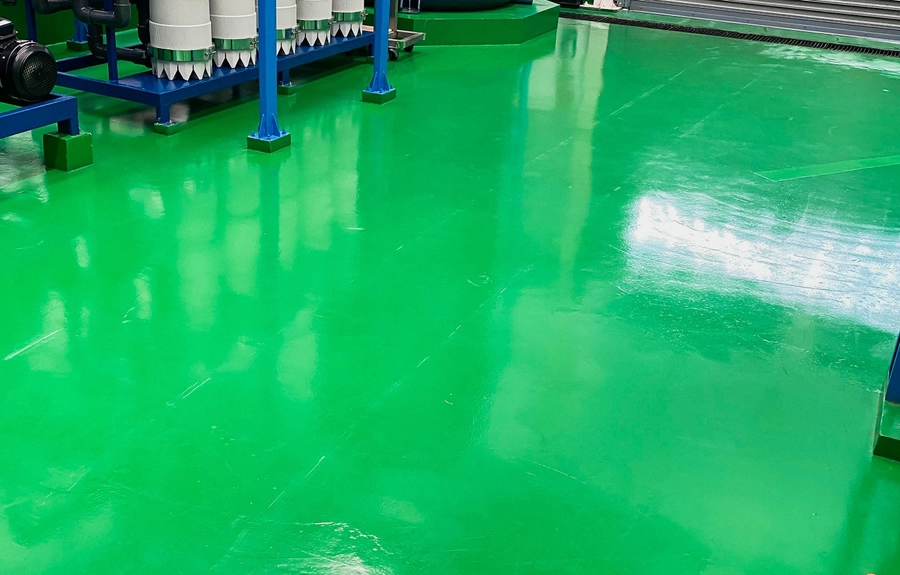
For facilities evaluating epoxy flooring, the goal is typically a seamless, cleanable surface that can stand up to foot traffic, carts, spills, and routine sanitation. Floor systems require careful evaluation of concrete condition, moisture, cracks, traffic patterns, and the intended cleaning regimen because a coating is only as dependable as its bond to the prepared slab. A floor application is different from coating a manufactured metal part, so project requirements should be discussed specifically rather than assumed.
An epoxy concrete coating is considered when the concrete surface needs a protective layer that can improve cleanability and resist certain service stresses. Surface profiling, contamination removal, moisture conditions, and repair of damaged areas are meaningful factors in the outcome. St. Louis, MO facility managers should describe how the area is used, including vehicle traffic, chemical spills, wet conditions, and downtime constraints, before choosing a coating system.
Industry applications call for application-specific thinking
In agriculture, coated metal components may need to contend with moisture, soil, fertilizers, washdown, and repeated seasonal use. Epoxy protection can be relevant for parts where corrosion resistance and a durable cleanable finish matter, but the actual chemical and weather exposure should guide the coating decision. Sharing the equipment function and operating environment helps align the finish with real field demands.
The automotive sector uses coated components in environments involving oils, fluids, road-related exposure, assembly handling, and cosmetic expectations. Epoxy can provide a robust foundation or finished protective surface for appropriate metal parts, depending on the design and required performance. Part tolerances, areas requiring masking, and exposure to heat or fluids are useful details to raise during planning.
For construction equipment and components, coating needs often arise from abrasion, storage, handling, moisture, and jobsite conditions. A protective epoxy layer can help support component longevity where metal would otherwise be exposed, though sharp edges, impact zones, and assembly interfaces deserve attention. The intended indoor or outdoor service environment is a key factor when comparing coating options.
In fitness applications, metal frames and equipment components may benefit from a finish that is durable, presentable, and manageable to clean. High-touch use, perspiration, cleaning products, and repeated contact can influence the finish requirements. Specifying the component type and maintenance routine helps determine whether epoxy characteristics fit the use case.
Specialized environments deserve a closer review
The machine shop and stamping environment can expose parts to cutting fluids, lubricants, metal fines, impact, and regular production handling. Epoxy finishes can be useful where a hard protective coating and easier cleanup are important, provided surfaces are prepared to promote adhesion. A complete discussion should include fluid types, contact frequency, part edges, and any areas where coating buildup cannot be tolerated.
For marine applications, water exposure and corrosion concerns make protective coating selection especially important. Epoxy chemistry is commonly considered for its barrier properties and adhesion, but immersion conditions, salt exposure, UV conditions, and substrate preparation can materially affect the appropriate system. Customers should clearly distinguish between splash exposure, intermittent wetting, and continuous immersion when requesting guidance.
In military and defense contexts, component coatings may be evaluated for durability, corrosion protection, and resistance to demanding handling or environmental conditions. The part’s function, substrate, exposure profile, and applicable project requirements should drive the conversation rather than a generic coating description. ISP Coatings Corporation can be contacted to discuss the coating needs of a specific component without assuming that one finish fits every operational demand.
Choose a coating partner by asking useful project questions
Price matters, but coating suitability and preparation can have a greater effect on value over the life of the part. A finish that looks acceptable at delivery may not perform as expected if the substrate condition, service chemistry, or application details were not considered. Before committing, provide drawings or samples when available and ask for a clear discussion of the factors that affect the project.
- What substrate is being coated, and what condition is it in before finishing?
- What liquids, cleaning agents, temperature changes, abrasion, or moisture will the part face?
- Are there threads, holes, edges, contact points, or dimensions that need masking or special treatment?
- Is appearance, chemical resistance, corrosion protection, easy cleaning, or wear resistance the main priority?
- What timing requirements affect the project, including preparation, application, and cure?
ISP Coatings Corporation states that typical turnaround is 7 to 10 business days, with some projects completed sooner depending on individual needs, workload, and other factors. That information is a helpful starting point, not a substitute for confirming the needs of a particular order. For an epoxy coating project in St. Louis or elsewhere in Missouri, a direct conversation about the part and expected exposure is the best way to establish a practical next step.
Questions about epoxy coating projects
What are epoxy coatings used for?
Epoxy coatings are industrial protective finishes that cure into a durable film on properly prepared surfaces, especially metal. They are used to help resist corrosion, chemicals, water exposure, stains, and abrasion. The best application depends on the substrate, the service environment, and whether the priority is protection, cleanability, appearance, or a combination of these needs.
Can epoxy be applied over every metal surface?
Not every surface should be treated the same way. Bare metal, e-coat, zinc, phosphate, and other conditions can require different preparation and evaluation, while contamination, existing coating failure, rust, or oil can affect adhesion. Provide details about the substrate and its current condition so the coating approach can be considered responsibly.
Is ISP Coatings Corporation located in St. Louis, MO?
No. ISP Coatings Corporation is located in Romeo, MI and provides epoxy coating services for customers in St. Louis, MO. Contact the company with the component details, application requirements, and service environment to discuss whether its epoxy coating services are appropriate for your project.
How should I prepare to request an epoxy coating quote?
Start with the part material, quantity, dimensions, current surface condition, and the conditions it will face in use. Include information about exposure to chemicals, moisture, heat, abrasion, or cleaning agents, along with any areas that must remain uncoated. Clear project information supports a more focused conversation about suitable preparation, coating needs, and timing.
Discuss epoxy protection for your St. Louis project
If your components need a hard, protective finish designed around their actual working conditions, contact ISP Coatings Corporation. The company is located in Romeo, MI and serves customers seeking epoxy coatings in St. Louis, MO and throughout Missouri. Share the part details, substrate, quantity, and performance concerns so the conversation can focus on a coating approach that fits the job.
Contact ISP Coatings Corporation to discuss your epoxy coating project.